Essential Guide to DIY Garden Sheds for Your Outdoor Space
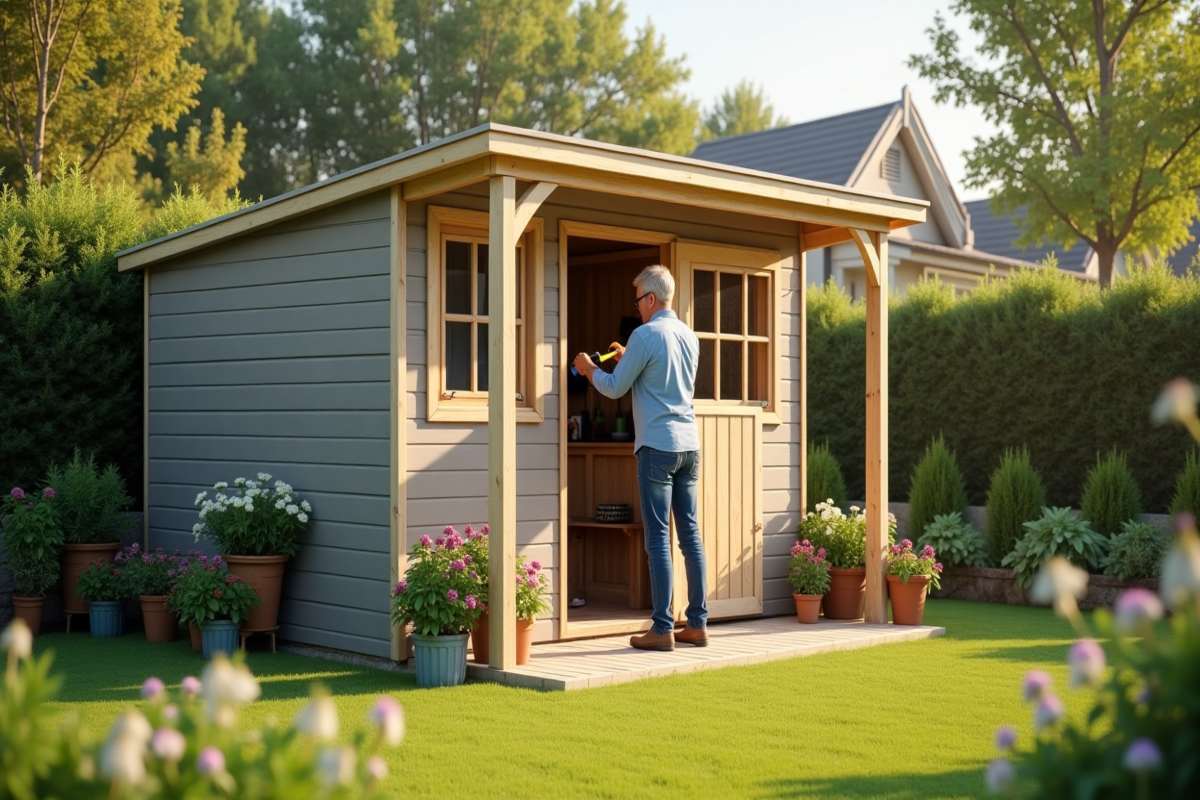
DIY garden sheds are gaining popularity across the UK—and it’s easy to see why. These structures offer flexibility, affordability, and the satisfaction of building something yourself. Whether you’re a hobbyist, an organised gardener, or simply needing extra outdoor storage, building your shed can be both practical and rewarding. In this guide, we explore the landscape of DIY garden sheds—what they are, why they’re worth considering, and how to make the most out of one.
How Can a Garden Shed Enhance Your Outdoor Space?
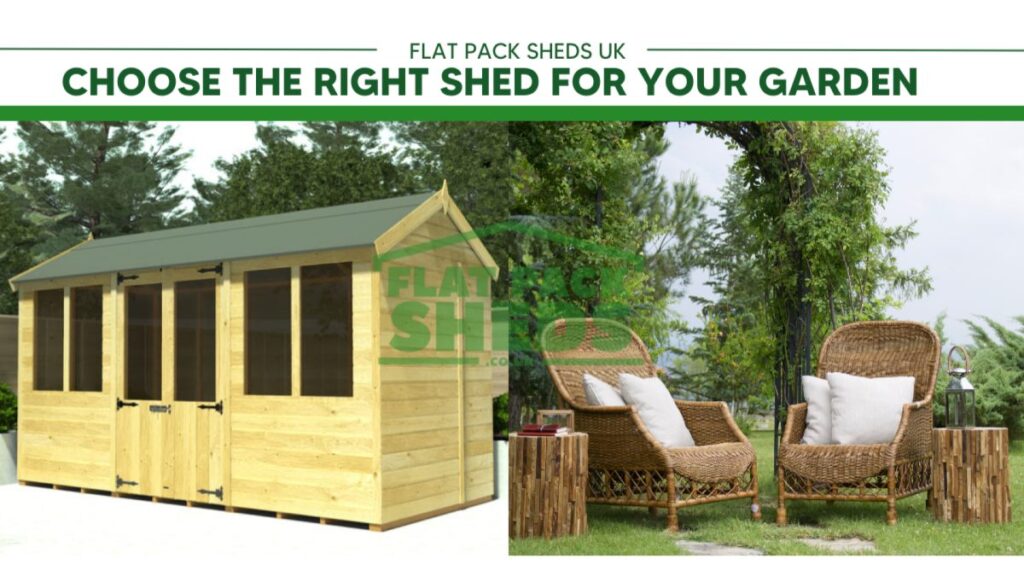
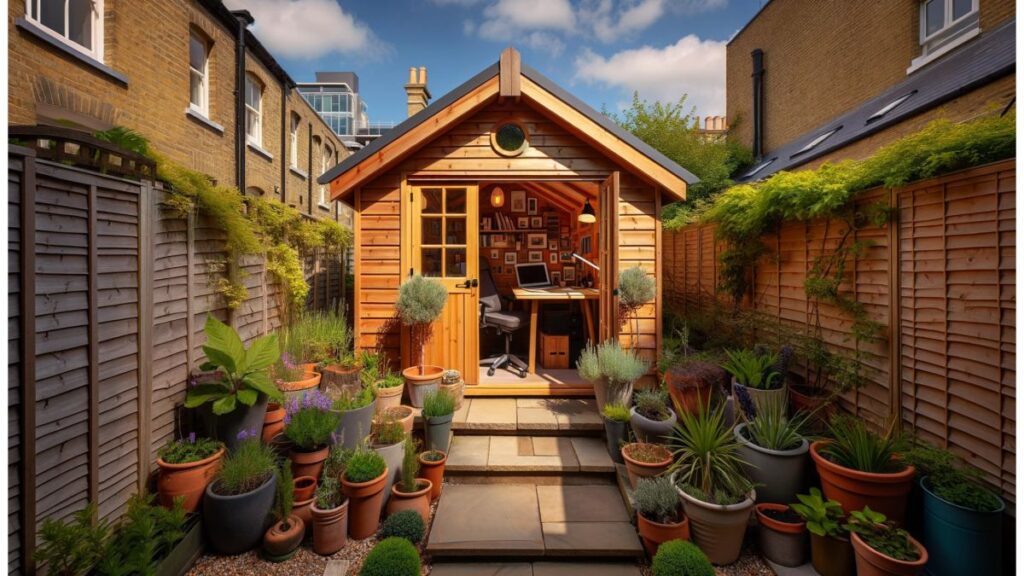
For many, a garden shed is much more than a place to store tools. It’s a multifunctional area that can serve as a workshop, a potting shed, or even a quiet home office tucked away from the daily grind. A well-planned shed can transform how you use your garden:
- Declutter your home by shifting seasonal or seldom-used items outside.
- Create a dedicated workspace for hobbies like woodworking, gardening, or painting.
- Boost kerb appeal and property value with a professionally finished outbuilding.
- Support sustainable living by using housing tools to grow produce or collect rainwater.
Whether you’re after functionality or aesthetics, the right shed can bring harmony and purpose to your garden.
What Are the Key Benefits of Building Your Garden Shed?
When you opt for a DIY approach rather than purchasing a pre-assembled model, several distinct advantages emerge:
- Cost savings: DIY kits typically cost less than ready-made versions.
- Customisation: You control layout, materials, paint, and fittings.
- Satisfaction: Completing a shed project gives you a unique sense of accomplishment.
- Learning experience: It’s a chance to build or improve practical carpentry and planning skills.
Moreover, many flat-packed kits make assembly accessible for even first-time DIYers. With the right tools and guidance, building your shed is an entirely realistic weekend project.
What Should You Consider Before Starting Your Shed Project?
Before diving into your shed build, planning is crucial. Here are a few key considerations:
- Space & placement: Choose a location with good drainage, sunlight, and easy access.
- Shed size: Assess your storage needs to determine the ideal dimensions.
- Local regulations: Check for planning permission requirements in your area.
- Foundation type: Ensure you prepare a level and stable base—paving slabs, concrete, or timber bearers are all options.
Failing to plan can lead to unexpected challenges later, so take time upfront to map everything out.
What Materials and Tools Will You Need?
 Discover the rewards of building your own garden shed.
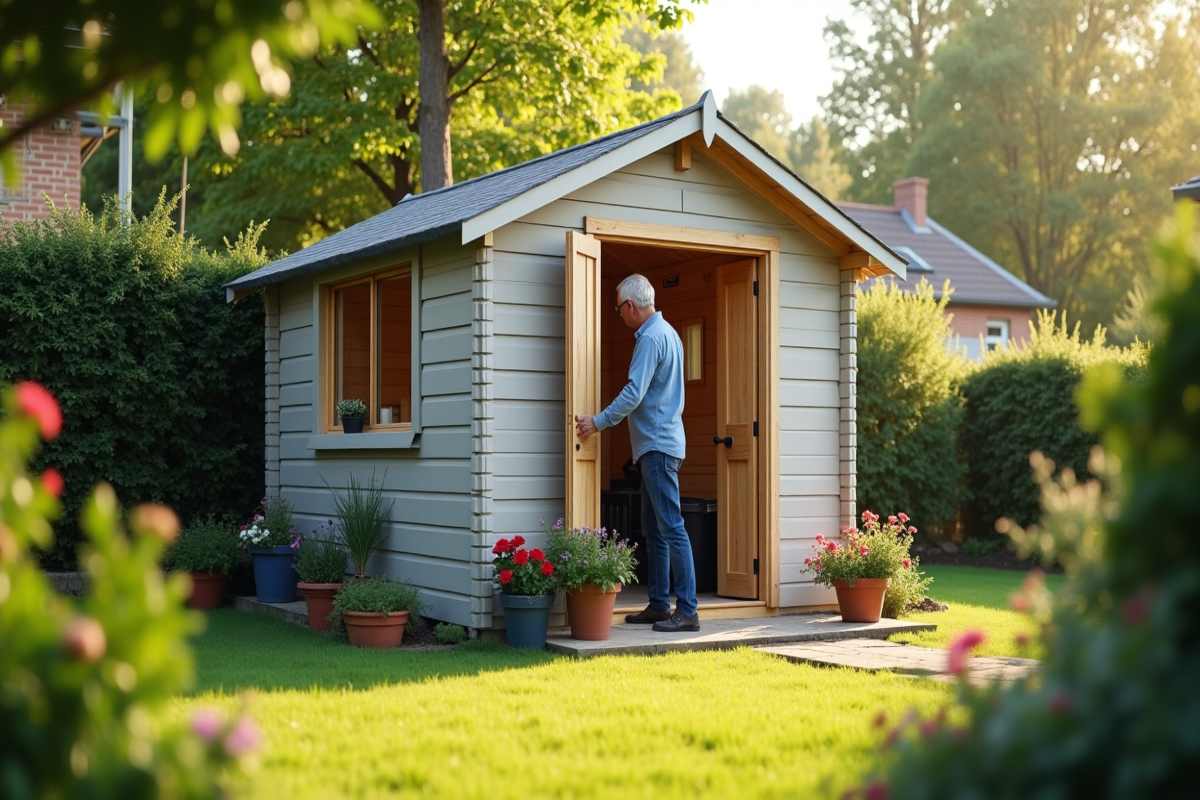 Discover the rewards of building your own garden shed.
A typical DIY shed kit includes pre-cut timber panels, fixings, and roof felt. But beyond the box, here’s what you might need:
Essential Tools:
- Hammer and pins or a screwdriver and screws
- Spirit level
- Tape measure
- Handsaw or circular saw (for adjustments)
- Protective gloves and goggles
Optional Upgrades:
- Guttering system for water collection
- Double-glazed windows for year-round use
- Floor insulation or rubber matting
Choosing pressure-treated timber ensures longevity, especially in the damp UK climate.
How Long Does It Take to Build a DIY Shed?
The timeframe can vary depending on shed size, complexity, and your experience. Most mid-sized kits (like 6ft x 8ft or 8ft x 10ft) can be completed within 1–2 days with the help of another person. Simpler models may be assembled solo in less than a day. Add time if you’re:
- Painting or staining the shed
- Adding insulation or custom shelving
- Installing windows or skylights
Time invested up front leads to a durable and weatherproof result.
What Design Styles Are Available for DIY Garden Sheds?
Today’s sheds are anything but basic. You’ll find a broad range of design options to suit various needs and tastes:
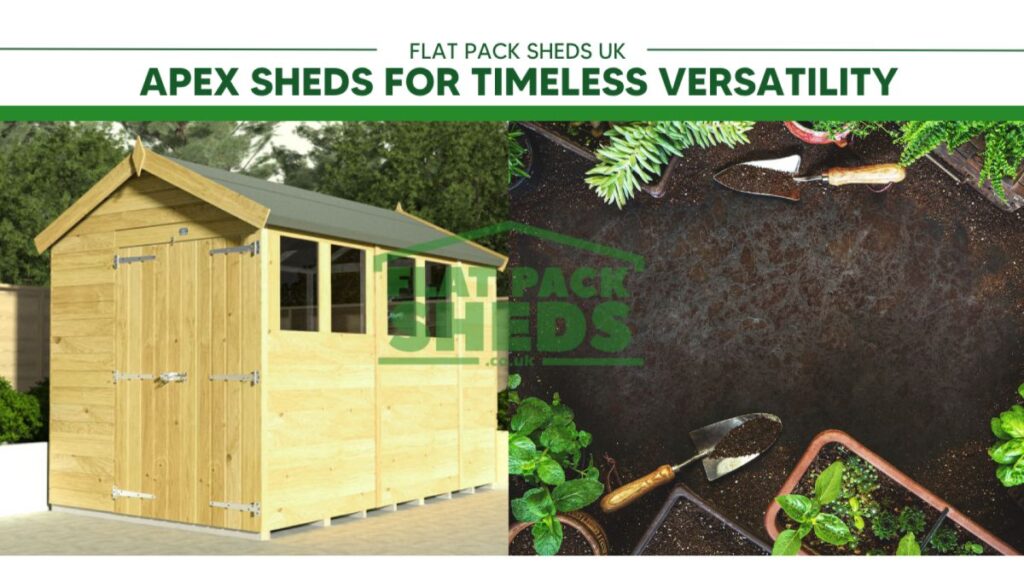
- Apex roof sheds: Classic pitched design, ideal for taller items.
- Pent roof sheds: Sleek, modern lines with better placement against fences.
- Corner sheds: Space-saving solutions for compact gardens.
- Workshop-style sheds: Roomier interiors and extra ventilation.
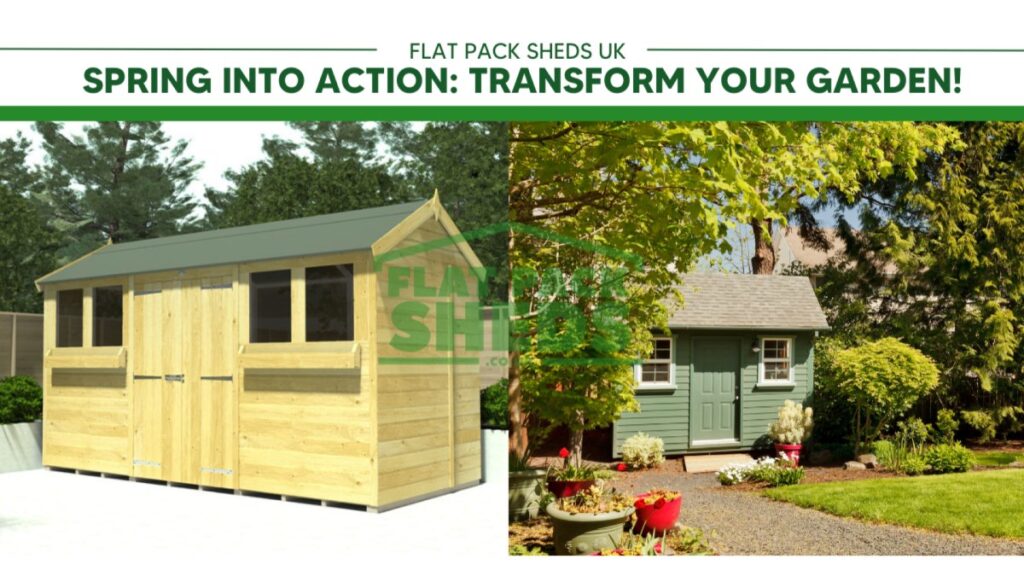
Adding finishing touches like planters, a porch overhang, or decorative paintwork can further personalise your shed.
Can a DIY Shed Be Used Year-Round?
Absolutely. With insulation, ventilation, and a portable heater, your shed can be helpful even in colder months. Many homeowners convert their DIY builds into:
- Garden offices with electricity and broadband
- Home gyms with basic flooring and mirrors
- Kids’ playrooms or art studios
Double-layer tongue-and-groove panels and proper sealing techniques ensure your shed meets seasonal changes.
What Maintenance Is Required to Keep Your Shed in Top Shape?
A bit of yearly maintenance goes a long way:
- Reapply wood preservative or paint every 1–3 years
- Check the roof felt and replace if torn
- Clear nearby vegetation to avoid moisture buildup
- Tighten hinges and relevel doors if sagging occurs
With the proper care, a well-built shed can last over 15 years with minimal upkeep.
Why Are DIY Garden Sheds More Sustainable?
- Enjoy the satisfaction of building your own garden shed.
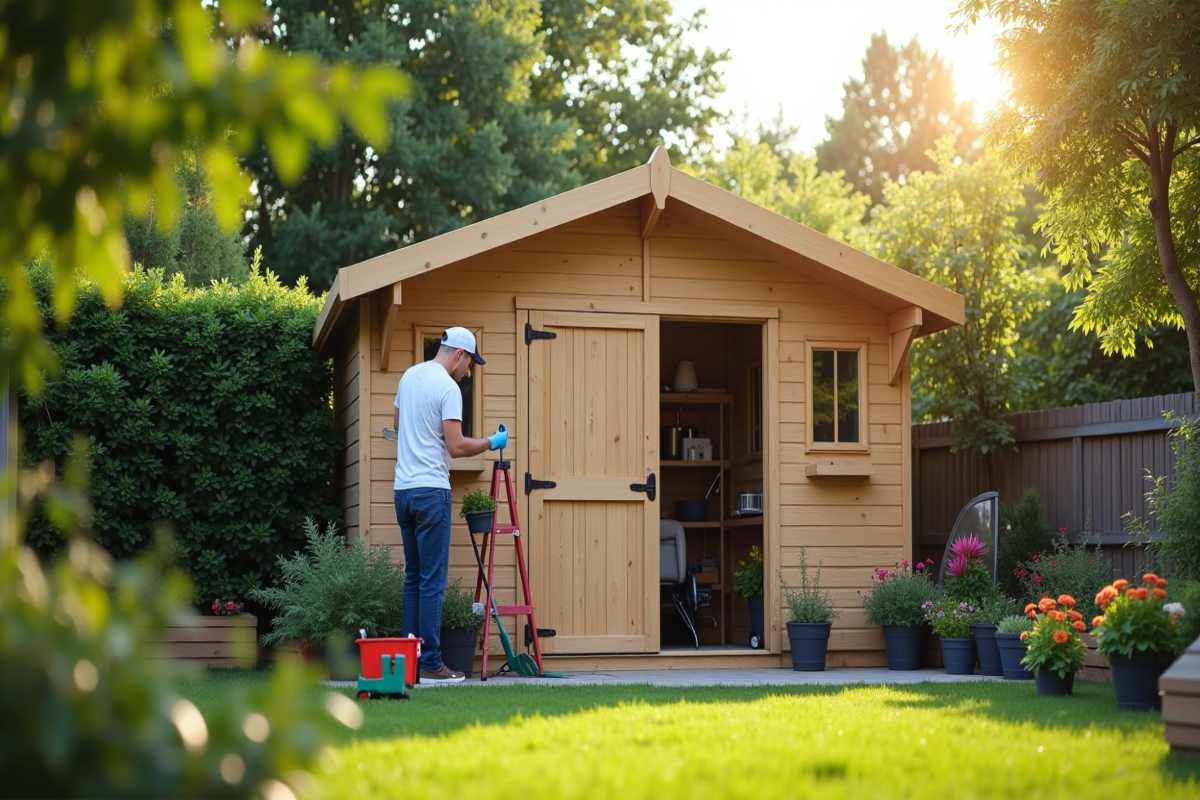 Enjoy the satisfaction of building your own garden shed.
DIY sheds align well with eco-conscious living. Here’s why:
- Reduced packaging waste compared to pre-built models
- Fewer transport emissions due to compact flat-packed delivery
- Opportunity to use reclaimed or upcycled materials for interiors
You can even integrate solar panels, compost bins, or rainwater barrels to further your green goals.
How Do You Choose the Right Shed Kit for Your Needs?
When shopping for a DIY shed kit, consider:
- Timber quality: Look for FSC-certified, pressure-treated wood.
- Panel thickness: Thicker walls = better insulation and durability.
- Ease of assembly: Clear instructions and pre-drilled holes save headaches.
- Customer support: Choose a supplier with good reviews and responsive service.
Flat Pack Sheds, for example, is known for providing durable, easy-to-assemble options suited to UK conditions.
Are There Affordable Options for Every Budget?
Yes! One of the biggest perks of DIY garden sheds is the wide price range. Basic models start around £300–£500, while larger or premium kits can go up to £1,500. Cost-saving tips include:
- Buying off-season (autumn/winter)
- Opting for no-window versions if light isn’t crucial
- Choosing self-assembly over complete installation services
You can start small and upgrade features over time—modularity is your friend.
Ready to Start Building?
There’s never been a better time to invest in a garden structure tailored to your lifestyle. Whether you aim to tidy your tools, grow your veg, or create a peaceful retreat, a DIY garden shed offers the foundation.
This project combines affordability, design freedom, and a satisfying hands-on experience to deliver long-term value to your garden and your skills.
Explore your ideal shed kit today and maximise your outdoor space.
FAQs (Frequently Asked Questions)
1. What materials are best for building a garden shed?
The most popular materials include timber, metal, and plastic. Timber sheds offer natural aesthetics and insulation, while metal provides durability and resistance to pests. Plastic sheds are low maintenance and weather-resistant, making them ideal for easy upkeep.
2. How much space do I need for a functional garden storage shed?
Consider what you plan to store—lawnmowers, tools, or outdoor furniture—and allow extra room for easy access. A shed between 6ft x 8ft and 8ft x 12ft is often sufficient for typical garden equipment, but larger sizes are available if you need more storage or workspace.
3. How long does assembling a flat-pack garden shed take?
Assembly times vary depending on size and complexity, but most flat-pack garden buildings can be constructed within a day or two by someone with basic DIY skills. Detailed instructions and pre-cut parts help streamline the process.
4. What maintenance is required to keep a wooden garden building in good condition?
Regular treatment with wood preservative or paint protects timber from rot, moisture, and insect damage. Checking the roof felt annually and clearing gutters ensures longevity. Seasonal upkeep keeps your shed looking good and functional for years.
5. Can I install a garden shed on any surface?
A flat, stable foundation is essential—concrete slabs, paving stones, or compacted gravel bases are ideal. Avoid uneven or soft ground to prevent structural issues. Proper groundwork also improves drainage and prolongs the shed’s lifespan.
6. Are planning permissions or building regulations required for garden sheds?
Most sheds under 15 square metres and below certain height limits do not require planning permission in the UK. However, it’s always wise to check with your local council, particularly if your property is in a conservation area or if you plan to install electricity or plumbing.