
Maintaining Your Wooden Apex Shed for Longevity
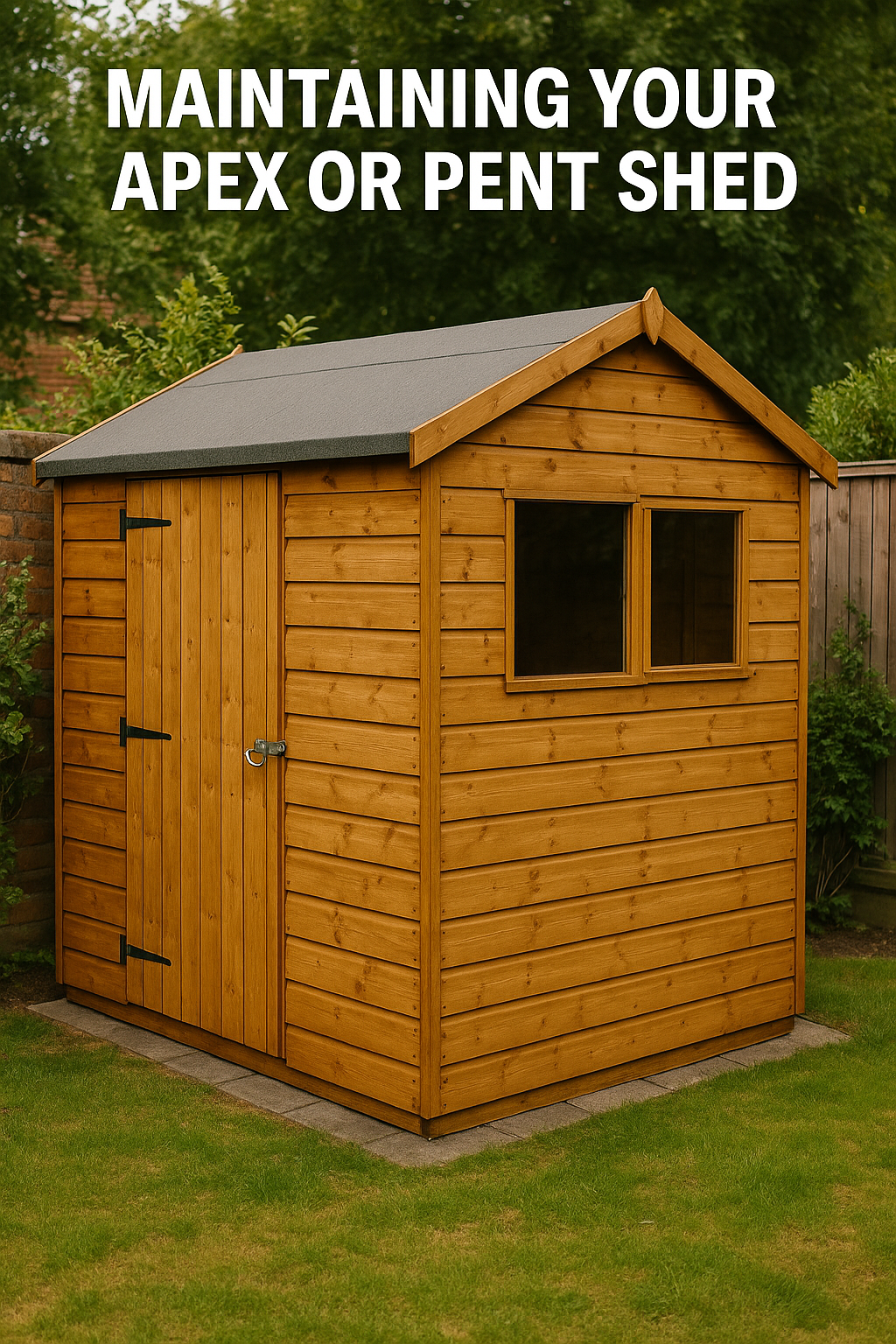
Maintaining Your Apex or Pent Shed
A high-quality wooden apex shed is a valuable addition to any garden, providing essential storage or workspace. However, like any outdoor timber structure, it requires regular maintenance to protect it from the elements and ensure it lasts for many years. Proper wooden shed care not only preserves the shed’s appearance but also prevents costly repairs down the line by tackling issues like rot, leaks, and pest infestations early.
This guide covers the essential apex shed maintenance tasks you should perform regularly to keep your Flat Pack Sheds building in prime condition, ensuring it remains a sturdy and reliable garden feature for years to come.
Annual Checks: A Yearly Health Check for Your Shed
Once a year, ideally in late summer or early autumn before the wetter weather sets in, give your shed a thorough inspection:
Roof: Check the felt for tears, cracks, blisters, or missing sections. Ensure fixings are secure and look for any signs of sagging.
Walls: Inspect the cladding for splits, warping, or signs of rot, particularly near the base and around windows/doors. Check that all fixings are tight.
Base: Ensure the shed is still sitting level on its foundation. Check the area around the base for standing water or debris build-up.
Doors & Windows: Test that they open and close smoothly. Check seals, putty, and frames for damage or decay.
Interior: Look for signs of leaks, damp patches, condensation, or pest activity.
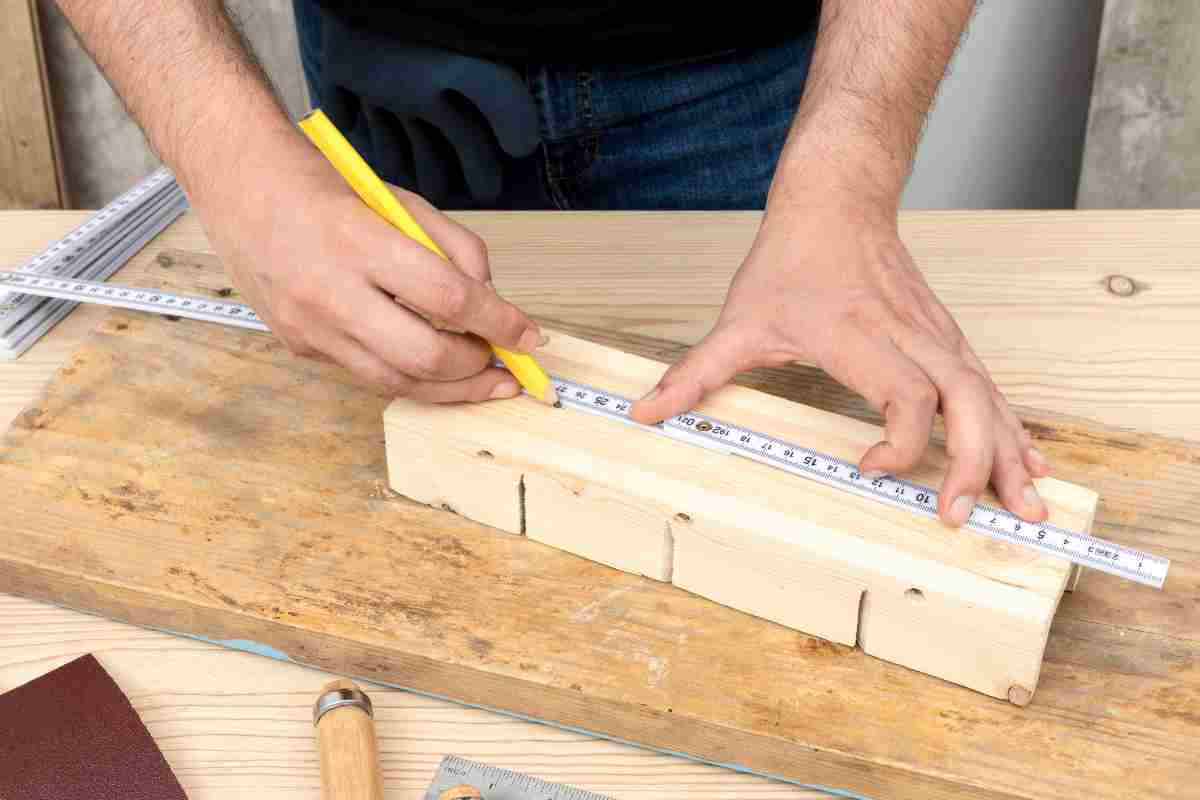
Treating the Timber: The Key to Shed Preservation
Even pressure-treated timber benefits from additional protection. Regular shed preservation is vital.
Frequency: Apply a high-quality wood preservative or treatment every 1-2 years, or as recommended by the product manufacturer.
Preparation: Clean the shed thoroughly (see below) and ensure it is completely dry before applying treatment.
Application: Use a brush or sprayer to apply the treatment evenly, paying extra attention to end grains, joints, and areas prone to moisture (like the base of walls).
Product Choice: Use a product specifically designed for exterior timber sheds. Water-based treatments are often easier to apply initially, while oil-based options can offer longer-lasting protection for subsequent coats.
Regularly treating your wooden shed is the single most important maintenance task.
Cleaning Tips: Keeping Your Shed Spick and Span
Regular cleaning prevents dirt build-up and allows you to spot potential issues early.
Exterior: Annually (before treatment), wash walls with a mild detergent solution or specialized shed cleaner using a soft brush. Rinse thoroughly and allow to dry completely. Gently brush away cobwebs and debris regularly.
Interior: Sweep out dust and debris periodically. Check for spills or dampness.
Gutters (if fitted): Clear leaves and debris from gutters and downpipes twice a year (spring and autumn) to prevent blockages.
Windows: Clean glass regularly for a clear view and to check seals.
Avoid using high-pressure washers, as they can damage the wood grain and force water into joints.
Dealing with Common Issues
Address problems promptly to prevent them from worsening:
Leaks: Identify the source (often roof felt, window seals, or joints). Repair damaged felt with roofing adhesive/tape or replace sections. Reseal windows or joints with appropriate exterior sealant.
Pests: Seal any potential entry points. Keep the area around the shed clear. Use pet-safe deterrents if necessary.
Sticking Doors/Windows: Wood naturally expands and contracts. Lubricate hinges. If significant sticking occurs, you may need to slightly plane the edge of the door/window during a dry spell.
Mold/Algae: Treat affected areas with a fungicidal wash or a diluted bleach solution (1 part bleach to 4 parts water), rinse well, allow to dry, and then re-treat the timber.
Winter Preparation: Protecting Your Shed from the Cold
Taking a few steps before winter can prevent damage:
Final Treatment: Ensure the shed has a good coat of preservative before winter sets in.
Clear Surroundings: Remove fallen leaves and debris from around the base and roof.
Check Seals: Ensure windows and doors seal properly to keep out drafts and driving rain/snow.
Ventilation: Maintain some airflow, even in winter, to reduce condensation. Don’t block vents.
Empty Water Butts: Drain any water butts connected to the shed to prevent freezing damage.
Secure Items: Ensure items stored outside but near the shed are secured against winter winds.
Proper shed winter prep helps your shed withstand the harshest conditions.
Conclusion: Long-Term Care for Your Apex Shed
Regular apex shed maintenance doesn’t need to be overly time-consuming. By incorporating annual checks, regular cleaning, and timely timber treatment into your routine, you can significantly extend the life of your wooden shed, keeping it functional and attractive for many years. Consistent garden shed upkeep protects your investment and ensures your shed remains a valuable part of your garden.
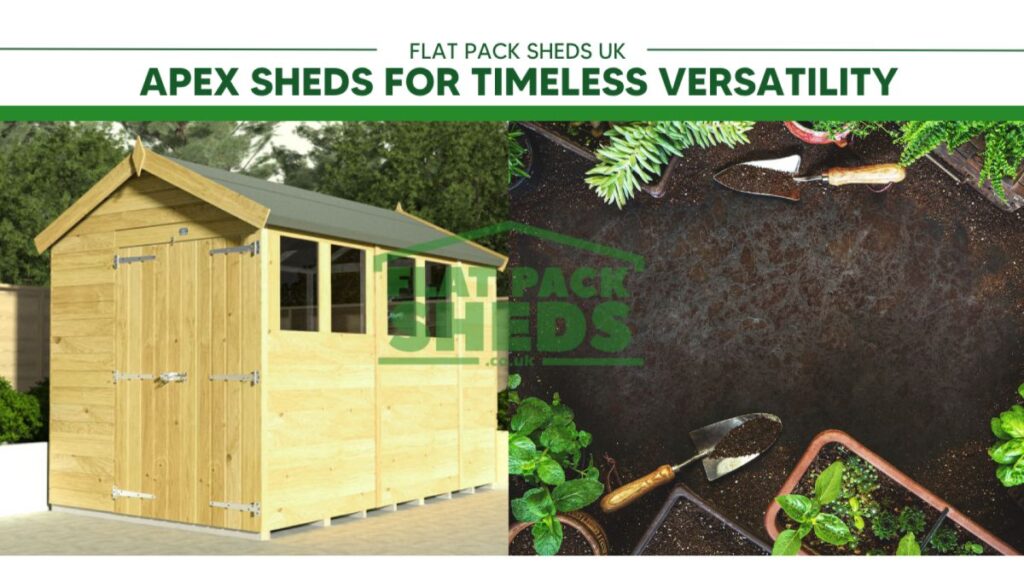
Looking for durable, low-maintenance options? Explore our range of high-quality apex sheds designed for longevity.



Tags: apex shed maintenance, shed preservation, shed winter prep, treat wooden shed, wooden shed care